“Why am I doing a blog? I can’t write. Why should anyone read my opinions? I don’t know anything” – Self Awareness
Hi welcome to my blog, if you’re reading this or any of my post, thank you! As you can see, this is not my strong suite. But! I have to write a blog for my Social Media Marketing course so look forward to my unadulterated and uneducated expositions on Social Media. For instance, I’m being frank and up front with you because I read somewhere being genuine makes a person more endearing. So, subscribe
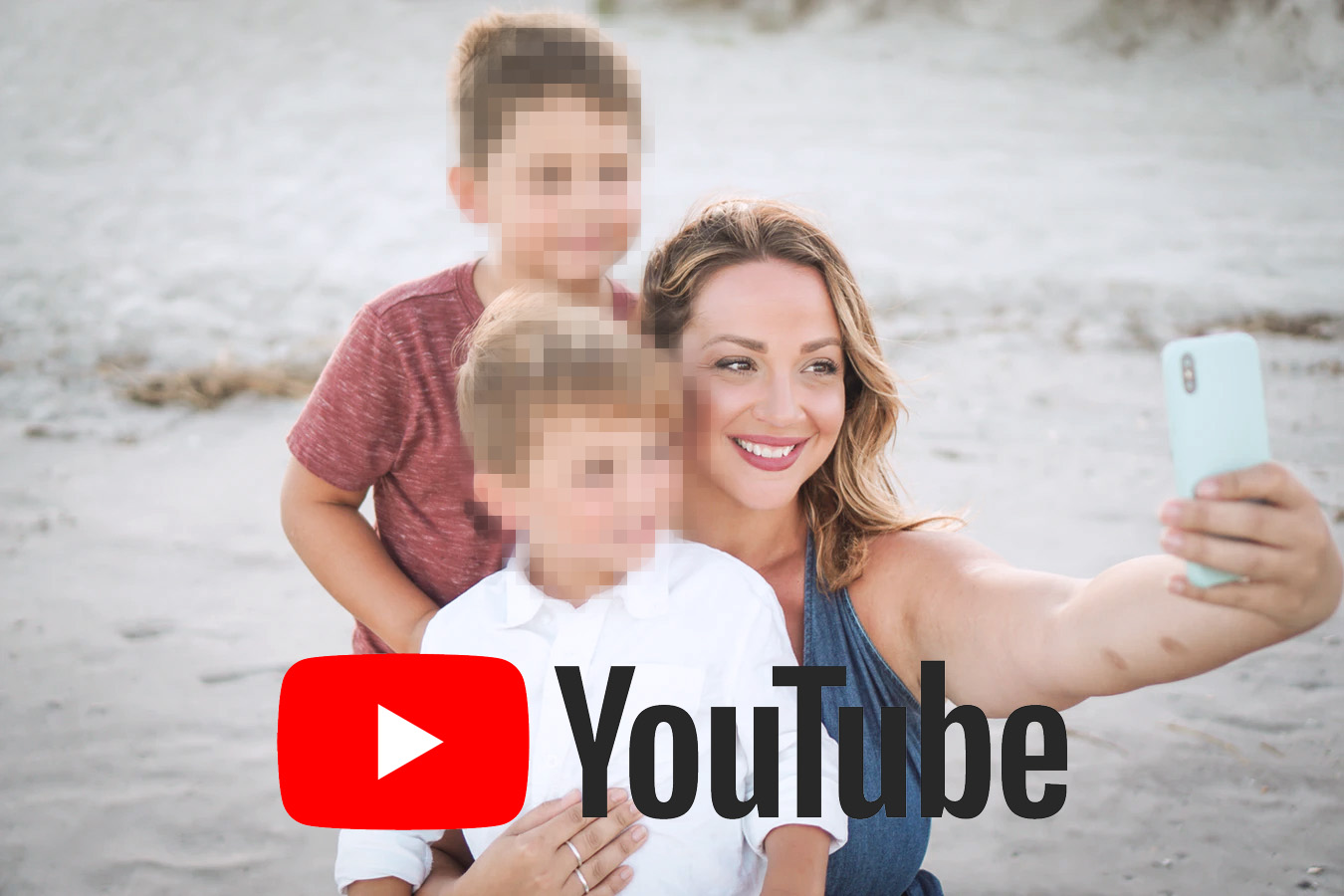
” Responsibility is our number one priority at YouTube, and nothing is more important than protecting kids and their privacy. We’ve been significantly investing in the policies, products and practices to help us do this. “ – Youtube
Youtube has been working desperately to not track your children like a dog.
What with their age restriction to membership being 13 and over and the edition of a kids app…hey wait a second? After recently discussing in my social media marketing course being a curator of YouTube content, it was interesting to read on YouTube’s blog the changes being implemented to address illegally collecting children’s data and targeting them with ads based on their online behavior.
1. New data practices for children’s content on YouTube
Obviously YouTube will no longer be using data collection to target children with ads. Since they don’t technically have accounts for anyone under the ages of 13, in the coming months, YouTube will treat all viewer of content created for children, as children. Viewing of such content will limit data collection to only the data needed for YouTube services to be operational. In addition, notifications and comment sections will also be disabled.
These changes will be significant to kid content creators financially and their ability to analyses their metrics and connect with their audience, so measure need to be taken to enforce these changes to the platform. YouTube’s sophisticated machine learning skills used to profit from kids will now be put to work scanning for videos that are trying to target young audiences, that have not been appropriately categorized by the owner accordingly.
2. Improvements to YouTube Kids
YouTube aren’t going to let a little $170 million slap on the wrist stand in the way of their little cash calves. YouTube want you to feel safe leaving them alone with your kids, so, they’re going increase their promotion of their “Kids Friendly” version platform…for your sake? They’re also trying to improve the quality of content, raising standards of channels that can be accepted on to the platform. Which is good, people have tried sneak some creepy stuff in there. So, good on you, I guess.
3. Investing in family creators
Youtube are aware they’re hobbling a reasonable chunk of their creators so they’re basically giving them a grace period to figure out how to continue to be profitable after these changes are in affect.
They’re also going to spend $100 million over the next 3 years to fund the creation of family content.
4. Training our teams
YouTube share some empty platitudes about children safety and mention mandatory staff training.
Epilogue
Well problem solved. What do you think about YouTube’s plans to keep kids safe on their corner of the interwebs? Do you think $170 million is fair punishment or a slap on the wrist? Share your thoughts with me in our comment section below! Or Share with friends on your echo chamber of choice and tell your friends how dumb I am.
In summation, I think the best way to end this post is on the sage-like words of James Bridle
“If you take one thing away from this, it’s that if you have small children, keep them the hell away from YouTube.”
James Bridle – Ted Talk: The nightmare videos of childrens’ YouTube
If you haven’t watched it I highly recommend it, it’s on YouTube.
“Is this the best an ad can get?’’ – Toxic Masculinity
Time for another under researched and overall, anecdotal opinion peice from a social media marketing student . Today I’d like to pontificate about a growing trend (or maybe it’s not?) of companies appealing to consumers through advocating for social change.
I could go back and forth discussing the morality of pretending you care about a cause for money, cause lets face it, that’s what it is. Whether the ad’s originate from a group of woke, social media moguls earnestly trying to enact change or emotionally manipulative marketing snakes taking whatever angle necessary to get your money; public companies won’t ever make a move that’s considered not in theirs, or their stockholders interests.
So the question I’m looking at today isn’t is it right or wrong, it’s does it work? And the question I’m so vexed by is really, if it does, Why!? And quickly, I want to separate this conversation from businesses like ‘Thank you‘ or ‘Taboo‘ who are in their very nature created advocate for social change by giving away 100% of their profits. I’m talking about social change strategies like Nike’s Colin Kaepernick campaign.
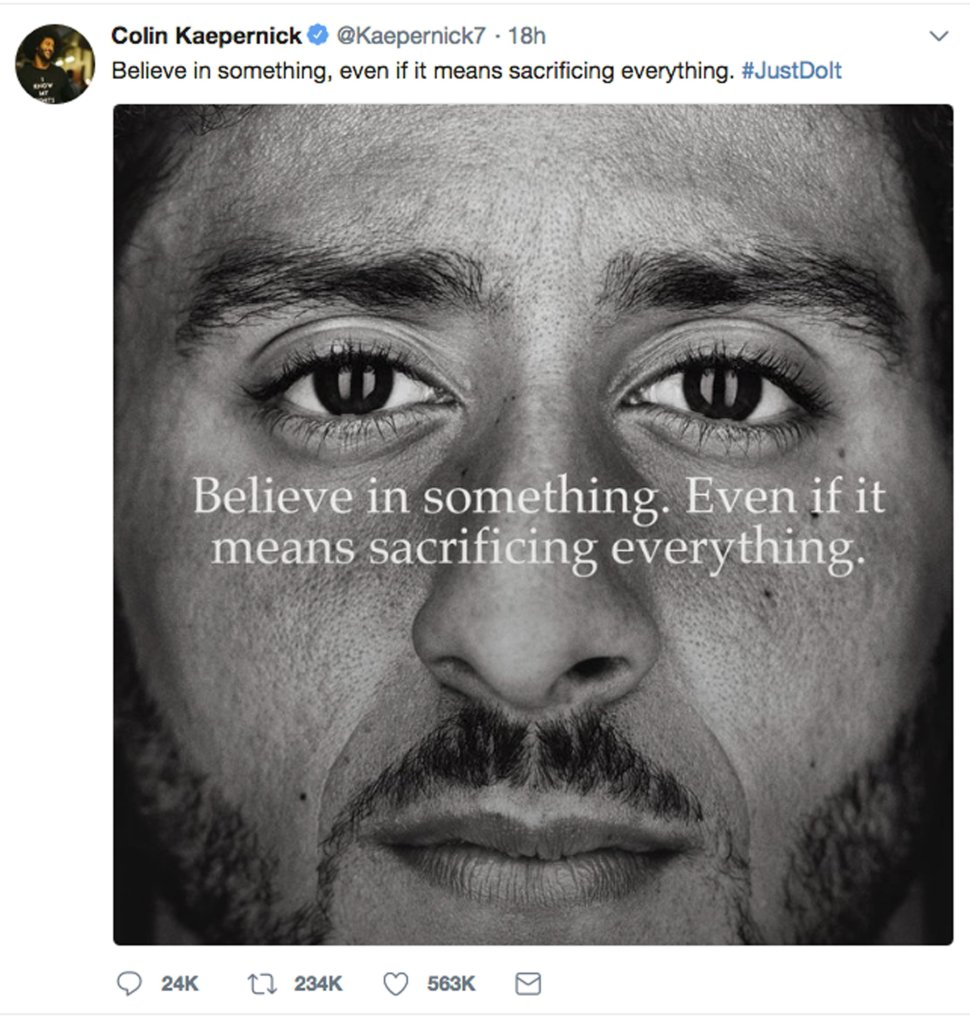
It’s been just over a year since the ad was aired across multiple platforms and during the NFL season opening game. Social media was a storm of accolades and malcontent, initially sending Nike’s stock price down as people posted across platforms images and videos of burning Nike products and vowing to boycott the brand. But, in spite of fervor being splashed across headlines and social media, Nike sales rose by 61% weeks after the campaign and the companies market value rose by $6 billion! Taking on such a controversial issue seems risky, but they knew exactly which side of the divide their target audience was on; and they were more than willing to burn bridges with every elderly conservative to hit nail it. Simply by endorsing the actions of Colin Kaepernick Nike’s market share soared, painting them as a brand willing to put their sales on the line for social change (except for maybe changing child labor laws…)
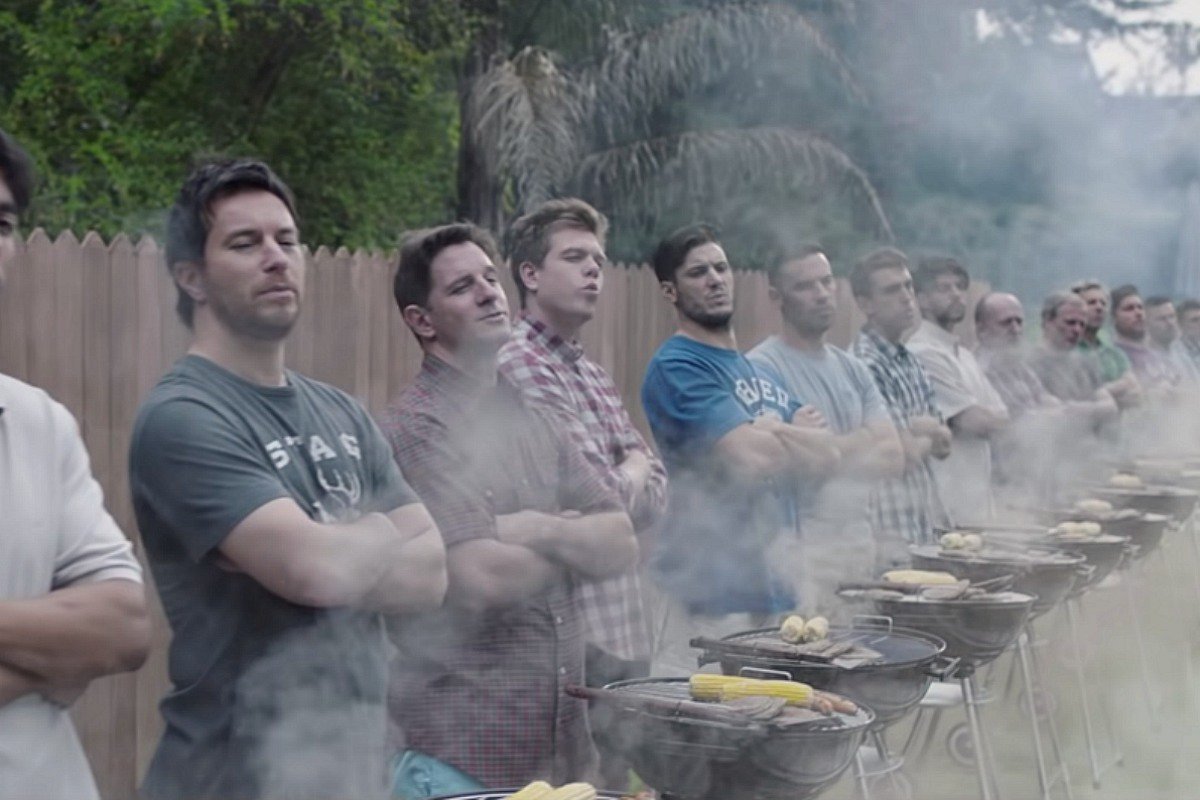
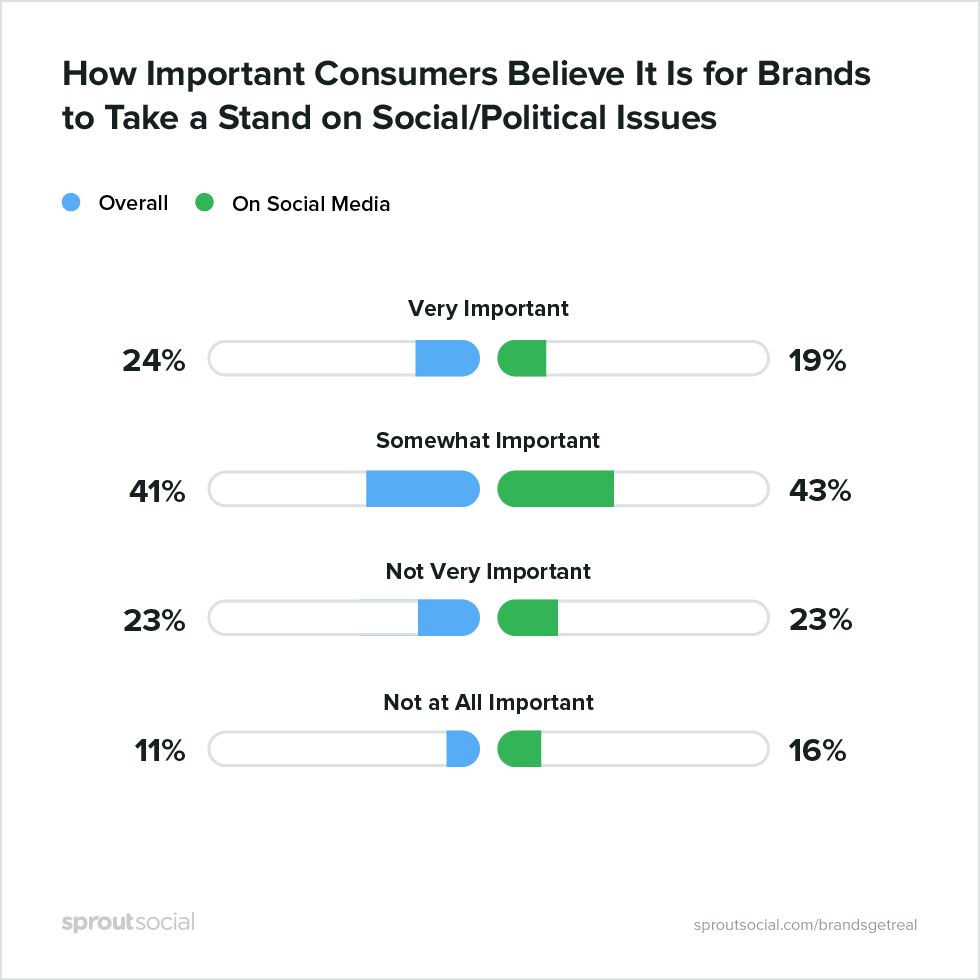
Apparently people are desperate for their brands to take a stand on social/political issues? I guess that’s cool? But how’d Nike’s go so right when Gillette’s “The Best A Man Can Be” campaign went so wrong?
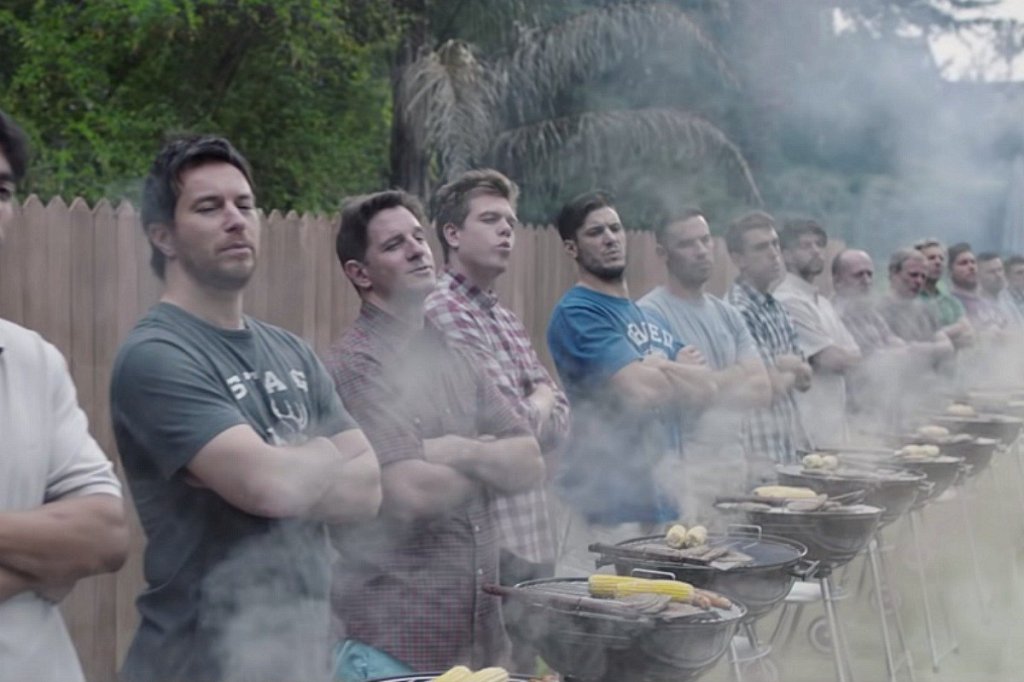
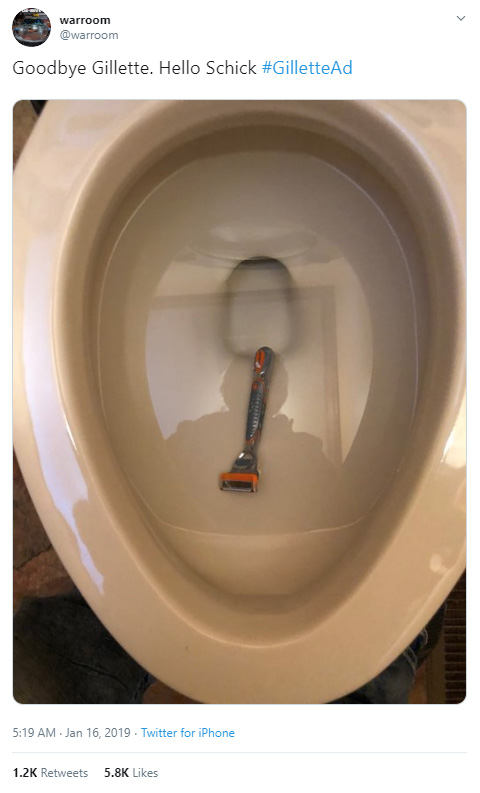
After Gillette’s campaign sales did not skyrocket, in fact some commentator attribute Gillette’s $8 billion write down in value to their woke direction; however, this is pure speculation. One notable difference in campaigns is the message, Nike’s campaign endorsed Kaepernick’s actions, sentiment that resonated with their target audience. Gillette told their target demographic (men) You’re the problem with society; well, that appears to be the overall sentiment among those people using #boycottgillette. Obviously the ad tries to challenge men to counter inappropriate behavior prevalent among masculine culture with behaviorshighlighted as positive expression masculinity. Unfortunately for Gillette, the issue with ‘toxic masculinity’ is those’s engaged in it don’t think they’re doing anything wrong. The even larger problem is most men don’t think they’re apart of the problem let alone the solution. Kaepernick’s campaign doesn’t bring up the fact that even the people buying them Air Jordan’s in solidarity contribute to a society of institutionalized racism whereas Gillette’s tells men they’re part of them problem.
Some sources I’ve read have speculated Gillette’s research would have shown that women make up the majority of buying decisions in their household, purchasing razors for partners and sons. Whether this was the case and women found the ad too aggressive toward ‘boys being boys’? Or found it too disingenuous coming from the same company selling razors with a pink tax?
Epilogue
If my 2 cents are worth anything, in my opinion, if you’re going to attempt a social change campaign, remember to make your target audience feel like the hero. After all that’s what this industry is founded on, lies.
That was good right? Share your thoughts on my brevity and wit in the comment section below. Or Share with friends online and save having the discussion on the topic with them in the future.
Hey my fellow titans of BUSN, I’ve noticed listicles seemed to be a popular format for reporting information. Sad. Anyways here’s my counter intuitive social media marketing tips in listicle form… “3 Lessons That Teach Us Not to Engage With People On Social Media”
3. JP Morgan Get More Attention Then They Banked On.
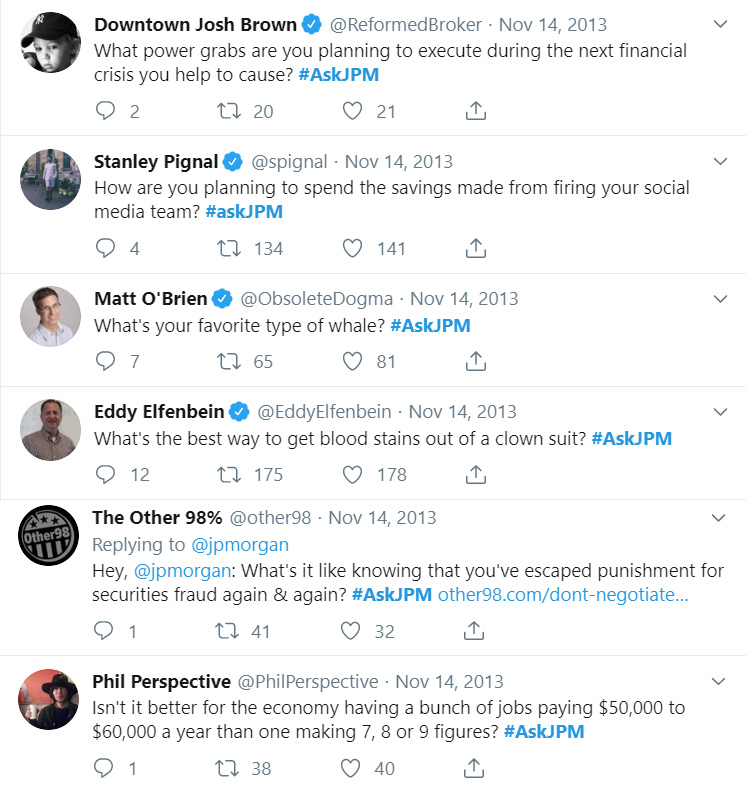
Nobody likes banks, and when the Largest Bank in the United States of America, JP Morgan Chase & Co, underestimated how much so, it was met with a mob of Social Media vitriol.
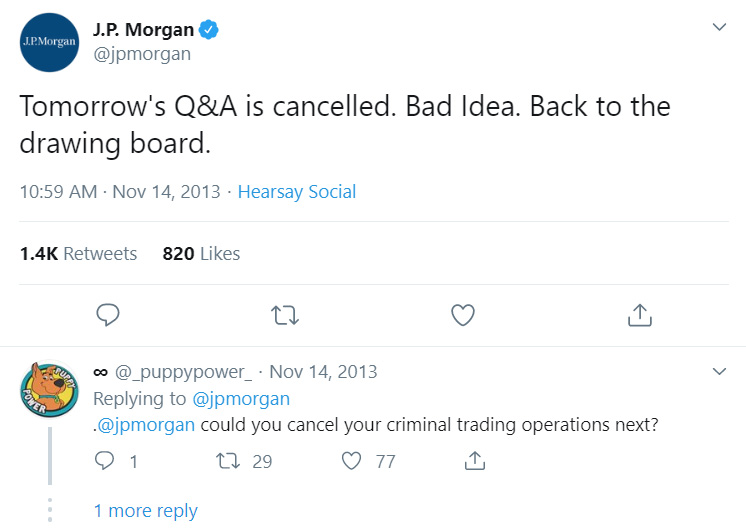
After helping underwrite Twitter’s I.P.O. J.P.M. thought it would be…fun? To use the platform to organise a ‘takeover’ of @JPMorgan by exec, vice-chairman Jimmy Lee hosting Q&A sesh. The hashtag #AskJPM was indented to spark conversation among kids seeking career advice, but instead, people across Twitter we took the opportunity to ask boarder question than J.P.M. wanted to answer.
It wasn’t long before J.P.M. realized the flaw in their approach and the Q&A was quickly cancelled.
The Takeaway?
Remember who you are. If you’re prepared to give up some control of your Social Media through crowd sourcing public opinion, be prepared to respond whatever criticism you’ll undoubtedly be met with. Remember who you are, because the internet never forgets.
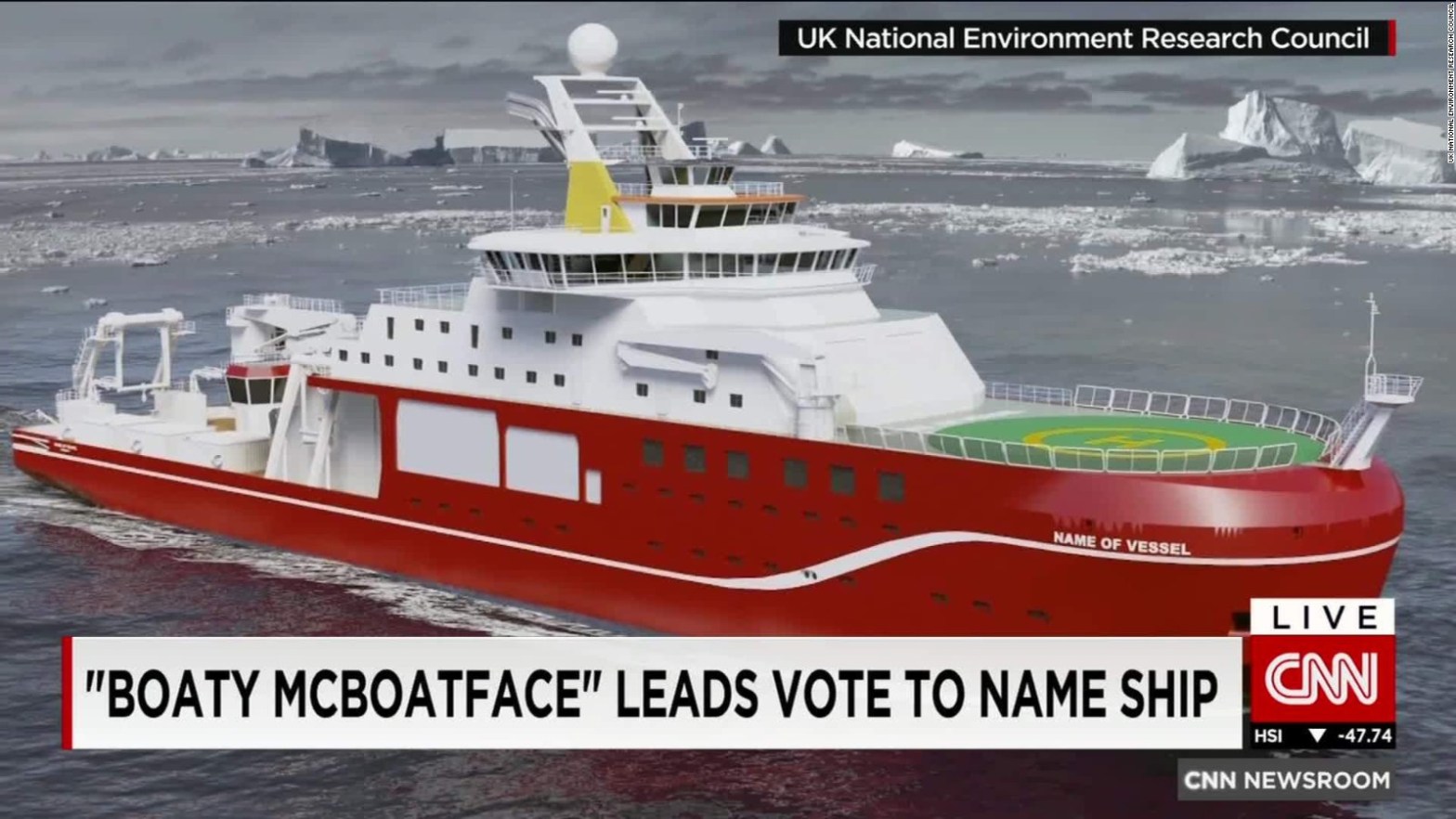
2. The Hashtag Tale of Boaty McBoatface
It was an innocent enough Idea, The U.K. Natural Environment Research Council had spent $287 million dollars building their new research vessel and wanted to spin some of that sweet social media clout there way for their achievement. To celebrate the boats maiden voyage, the council launched a social media campaign to let the people decide what they should name the boat?
Some suggestion were made by the council to encourage thoughtful contemplation of scientific achievements, however, what is clear from the title of this lesson, the results where less honorable than expected.
Boaty McBoate face won the public vote by far, but to the dismay of internet trolls everywhere, it was eventually announced by The Minister for Universities and Science the ship would be named Sir David Attenborough instead. Naming the unmanned subversivial on board Boaty McBoatface to ease the peoples disappointment.
The Takeaway?
You can’t trust people, so don’t. Regardless of the intention or parameters of your campaign, people will try to find a way to ruin it, so whatever control you permit them, be prepared for them to abuse it and be prepared to go with it. Boaty McBoatface may not have given the respect or prestige The Science Minister thought the project deserved. But, if you want to engage an audience who doesn’t yet understand your value, be prepared to crack the champagne on Boat McBoatface.
1. Did Lockheed Martin Forget They Kill People?
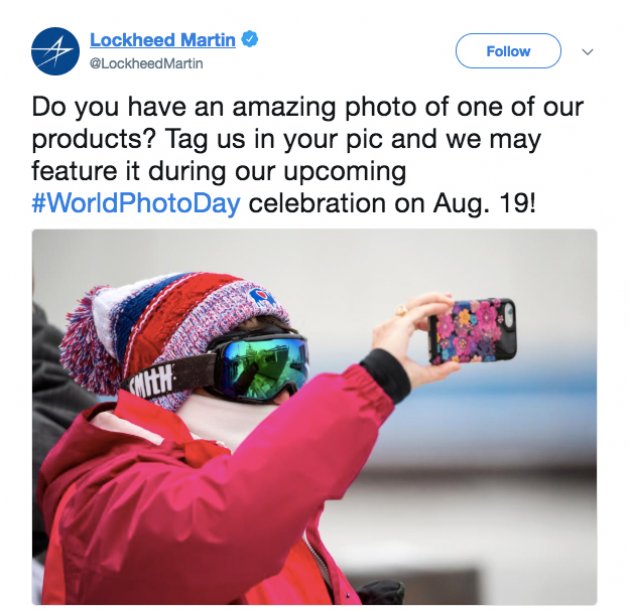
Finally, the viral brain fart of Lockheed Martin; purveyors of quality products, such as; the Miniature Hit-to-Kill Missile, the Longbow Missile, the Hellfire Missile, the,-look if it kills or blows shit up, they’re in to it. Leading up to World Photo Day, The Social Media crew at Lockheed Martin thought they should run a little promotion for all their Bond villain fans out there…
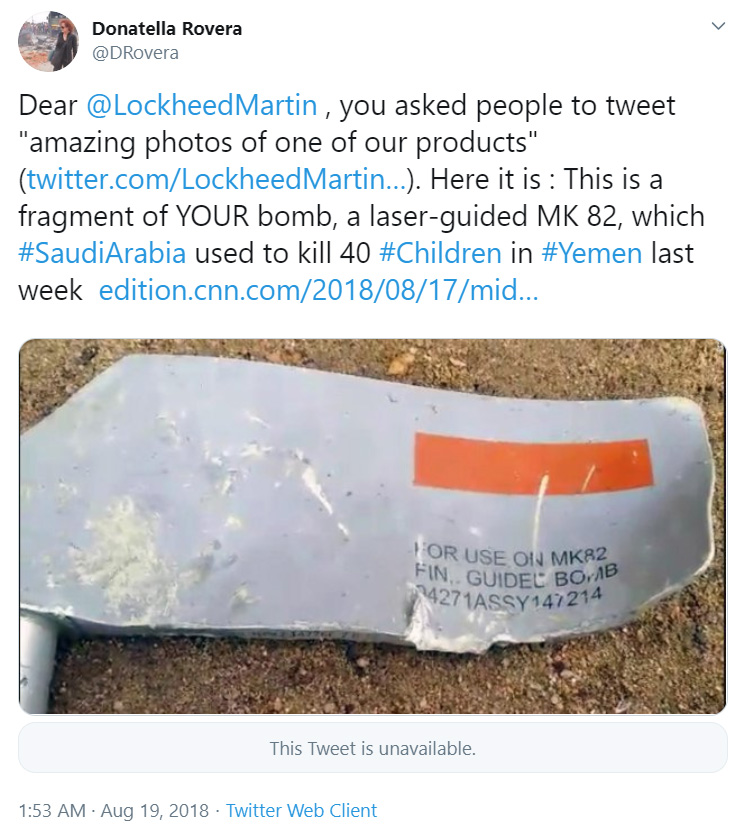
That’s right, one of the biggest arms dealers in the world thought it would be a good idea to ask their followers to send in pictures featuring their products. Incidentally, this post was made days after report that bombs made and sold to Saudi Arabia by Lockheed Martin were used to blow up a school bus in Yemen. Needless to say the response was not what they expected…
Floods of bloody images came in shaming Lockheed Martin for the tone deaf tweet, holding them accountable for the role in the deaths of 40 children in Yemen. The post was removed 2 hours later.
The Takeaway
You need legitimacy with your audience to engage them. Lockheed Martin aren’t know for their toasters and young adults aren’t lining up for their latest missle guidance system. When your market is defence contracts with politician and war criminals, Twitter is more likely filled with people keeping an eye on you than fans of your work. Not all followers of fans, know your audience.
The Takeaway Takeaway (Epilogue)
Super shareable these list thingys, yeah? Share your thoughts in listicle form in the comment section below. Or hey, Share with friends on your social media with the hashtags #lockheedmartin #worldphotoday.
Today I’d like to discuss the unique engagement and platform choices of American fast food chain Wendy’s. Wendy’s social media marketing performance between 2016-17 is often considered ‘lightning in a bottle’ when looking at the growth and engagement over the period. So what sort of perfect storm of marketing lead to outstanding audience engagement directly correlated with outstanding sales growth? The answer is twofold.
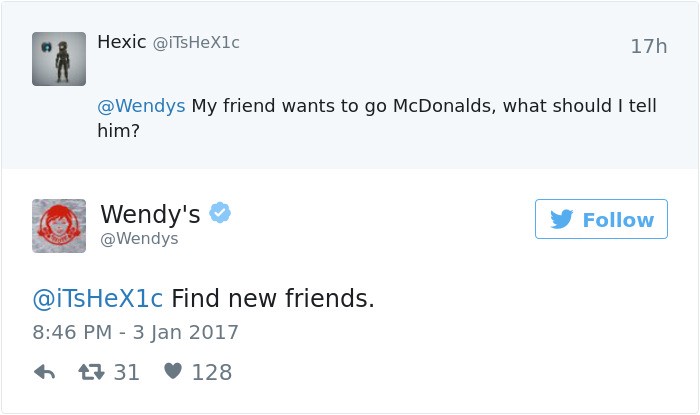
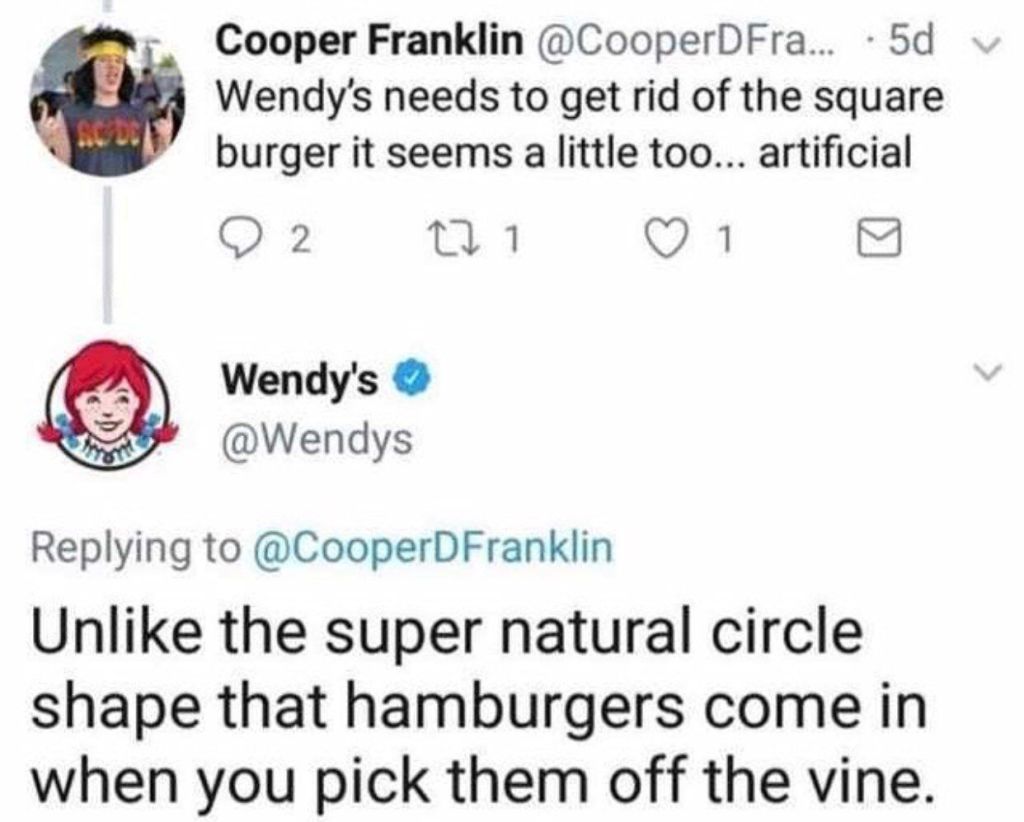
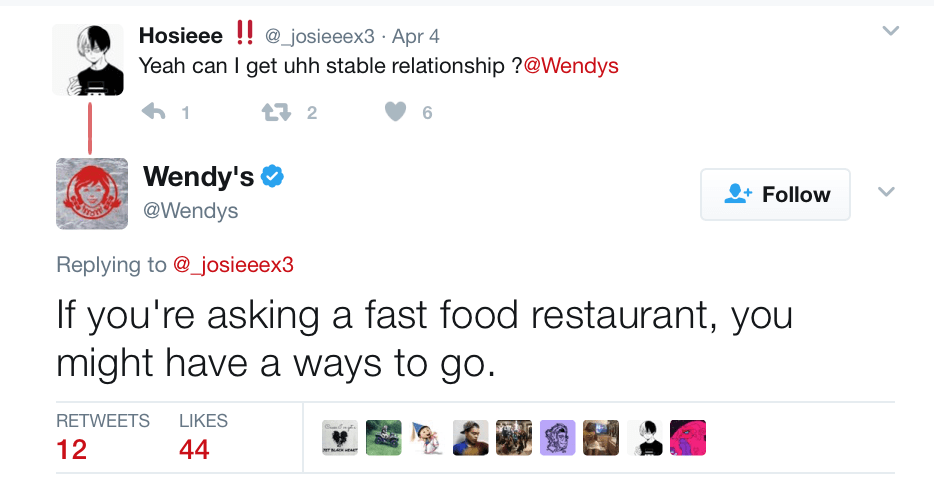
Wendy’s Twitter page has blown up over 2016-2017, now sitting at 3.4 million followers, nearly matching fast food giant McDonald, while only having a quarter of their market share. Wendy’s tweets became a sensation, sparking top 10 lists of ‘savage burns’ as they chose a unique style of language and persona for a corporate account. They started tweeting like a person, humanizing their corporate brand with a quick witted, snarky, and playful personality which people love engaging with.
Another humanising aspect of this strategy appears to be the illusion of the underdog. Wendy’s get away with petty commenting on McDonald’s and Burger King’s twitter pages as they’ve sold themselves as the little guy, punch up at these titans of fast food industry. This is another relatable trait Wendy leverages in their efforts to humanize the brand.
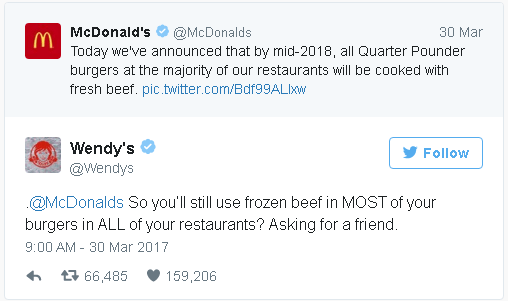
Another part of is this ‘starting beef’ strategy appears to emphasise a point of difference to their competitor; which is Wendy’s don’t freeze their beef. This online ‘beef’ became highly shared through multiple platforms and pop culture based articles sites, such as Buzzfeed. This cheeky, little, $5.06B company was a viral sensation.
Epilogue
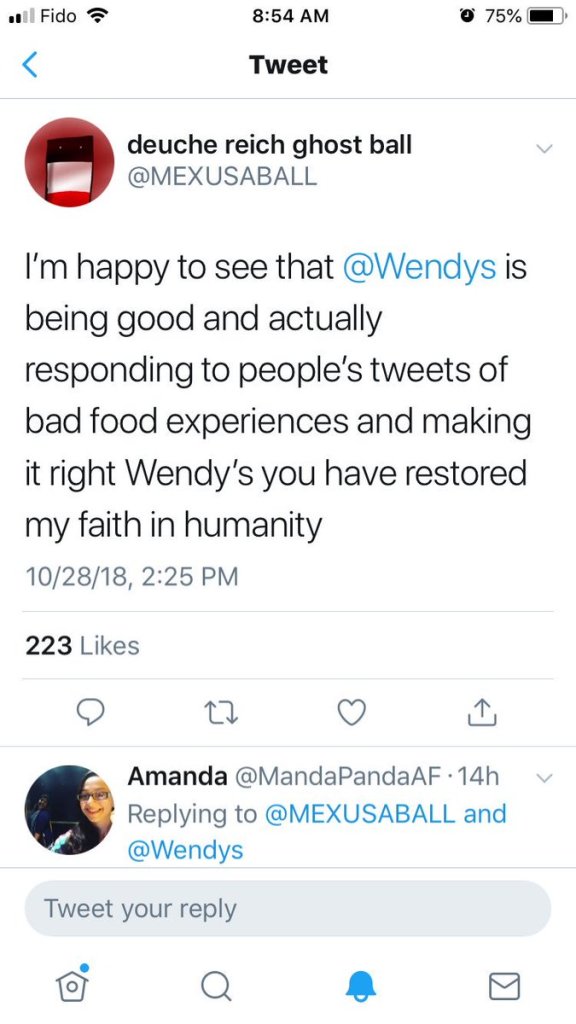
Engagement and attention can definitely get you some notoriety, but does always equate to market growth. A key part of this strategy, which didn’t get nearly as much attention as the Wendy’s twitter roasting, was a big effort to reply to everyone who engaged with their social media, across multiple platforms. Making a considerable effort to reply to criticism and making a point to do something about it, gave the recipient the impression of empathy, perhaps the most humaizing aspect of this whole campaign was this? Treating people as humans.
And you know what would be down right human of you? Sharing your thoughts in the comment section below and Sharing with your friends this post! Because sharing is caring.
“Out-of-home gives that hyperlocality that gives those “aha” moments to people. And it allows a digital community to feel connected in a physical way. This is happening here. We’re all seeing this and remembering this moment together.”
— Spotify CMO Seth Farbman
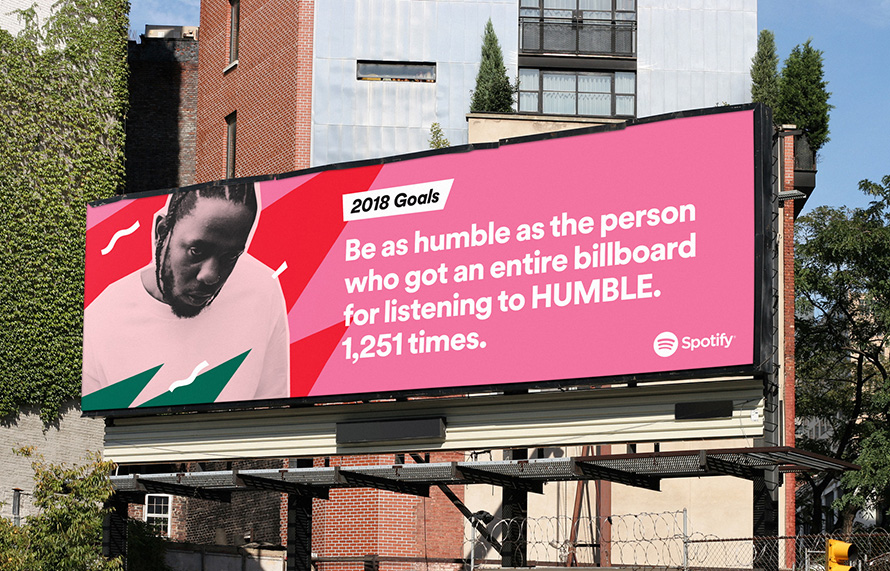
This week as we discuss bases of segmentation in Social Media Marketing, I am reminded of Spotify’s 2018 “Goals” campaign and it’s hyper localized geographic segmentation of viewers through data analysis.
By analyzing the their own users accounts and their locations, Spotify was able to create 100’s of personalized, statistical ads based on users listening habits that target the behaviors of certain geographical locations.
Courtesy of adweek.com
The Segmentation was two fold.
Behavioral – Ads were created to reflect the collective actions of Spotify users in 2018 using lighthearted commentary, subtly encouraging others who relate to the billboards and online ads to take the same action on their platform.
Geographic – Ads were were hyper customized and localized to a users location. Billboards and online ad’s targeting behavioral segments based on the location of people who made them; geofencing physically and virtually to deliver ads that would reflect the behaviors of people in said location.
Courtesy of adweek.com
The results were highly related and shareable advertising that saw a 40% growth in revenues.
Talking about shareable, let me know I’m not typing in to the dark, silent void by Sharing your thoughts in the comment section below. And if you want to be the cool kid in your cyber networks, share with friends all the hip stuff you learnt from this article on social media brah.



 ITS BUSN TIME